Categories
Travel

Charming Venice

Charming doesn’t begin to describe

A photo posted by Nina Mehta (@ninamehta) on

Put Venice on your list if you’re coming to Europe in summer. It’s beautiful, relaxing, requires little-to-no planning, and the art Bienneal has excellent curators. This is also a perfect holiday for Berliners, Londoners, New Yorkers, and anyone else living in a concrete jungle. Enjoy this labyrinth of canals and little sideways streets safe from loud cars and reckless bikers.

I booked the trip on a whim with a semi-irrational fear that if I didn’t see Venice now, it would be under water the next time I tried. Now many would warn against going to Venice alone. It’s so overrun by tourists that it can be romantic if you want but is otherwise just another lovely city in Europe.


It was pitch black when I arrived. Good morning to my first sight of Venice. 🚣🏽

A photo posted by Nina Mehta (@ninamehta) on


My flight got massively delayed because there was a strike at the airport in Italy. Apparently this happens a lot. I arrived at 3am and honestly it was beautiful (and dead asleep) then.I swore to never stay in a hostel until I found the Guardian’s article on The Generator. It’s a boutique hostel with a good price. It’s high enough that it filter’s out the shoe-string travelers but cheap enough that you can plan the trip on a whim. You’ll find some 22-year-old backpackers but there were also some proper adults staying there. However, the hostel is across the river from mainland Venice, so you have to take a 2 stop Vaperetto (boat that runs like a subway system). For me it was worth it to save some cash, plus you get a beautiful view of the city every morning and evening.

afternoon floating

A photo posted by Nina Mehta (@ninamehta) on

Then from there it’s just street-side exploring and eating delicious pasta (and seafood if you’re into that kind of thing). I recommend visiting the La Cantina wine bar. Their food is over priced and somewhat under-delivers, but the vino is perfecto. Go nuts on gelato and don’t be afraid of the canal-side restaurants.


I avoided them at first thinking they were tourist traps but the food and prices were right. Above is a photo of Fettucini Alfredo how it’s supposed to be. I always wondered. I tried to record the names of the places I went but they were all fairly generic. I tried to go to Widow Ca D’Oro for Cicheti (Italian tapas style appetizers), but it was bumpin and I wasn’t patient enough to queue.

A photo posted by Nina Mehta (@ninamehta) on

The best thing to do in Venice is to wander around and get lost. Buy a day pass so you can take the Vaperetto when you get tired. And note that Google Maps still tracks your location even in airplane mode, so you’re can still map your way out of a jam. You’ll likely take a private shuttle bus from Marco Polo or Travesio airport. Marco Polo is much closer but both will drop you off at the same Bus Station, from there you’ll take a boat into town.

Last thing, do some research on the Bienneal. There are a few events that require tickets (especially for dance events), and it was totally worth it. It’s hard to research the art events, but there are signs all over the city for you to discover. I wished I had explored the #bienneal instagram hash tag earlier, I think I missed out on some cool stuff. And for some reason there’s a Frank Gehry exhibit inside Louis Vuitton (above).

Oh yeah and the Gondola ride, I read all over the internet it’s a waste of money.
Categories
Berlin Travel

Berlin’s Yoga

A photo posted by Nina Mehta (@ninamehta) on


Yoga in Berlin is like so many other German things: deliberate, patient, spacious, and precise. I’m not only comparing the local practice to the west coast but also what I’ve practiced in Tokyo, Buenos Aires, Goa, Chicago, Boulder, and so on. The practices here lead to the deepest awareness of the body I’ve found. Teachers I’ve attended bring extra attention to vipassana style body-scanning and deeper holds in chaturanga, utkatasana, malasana, and even in child’s pose. However, I’ve found Vinyasa and Hatha in Berlin to have the least organic feeling flow and connection to nature.

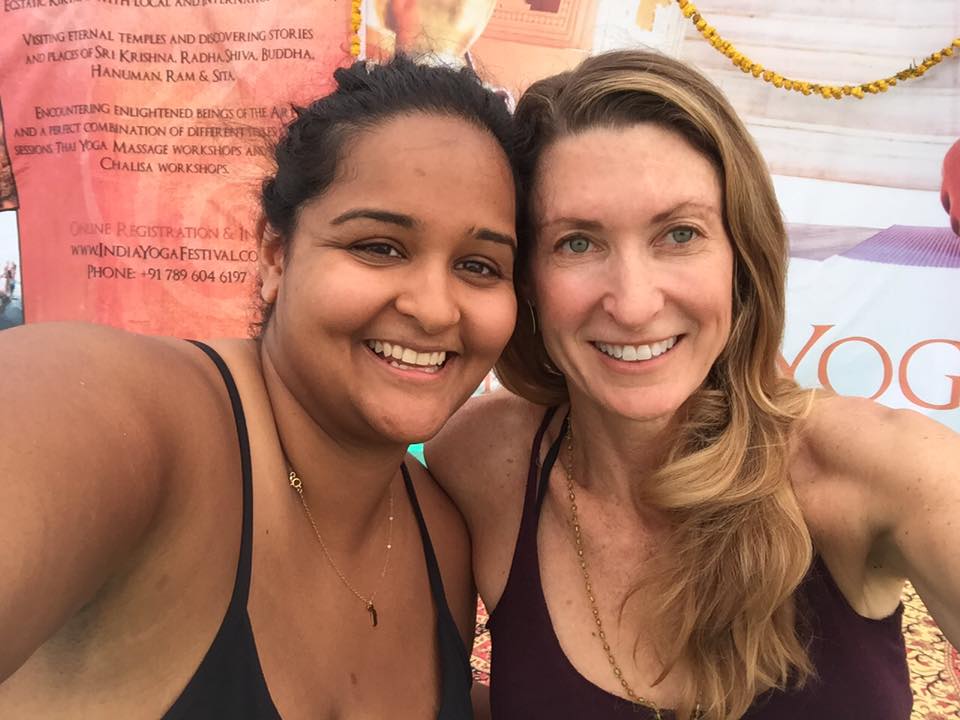
936623_10106593635827809_4649201454531146905_nBefore coming to Berlin I spent December in hot, colorful, spicy, pollution-filled India. I washed it all away in Goa with the one and only Janet Stone (above). In San Francisco, I regularly spent two hours of my Saturday mornings with her and a room full of other hippie-techies. It was nice to get one last slice of home before landing into winter.

Upon arrival, I spent months trying to learn enough German to do everything possible localized, including yoga. I thought knowing the asanas in Sanskirt would diffuse the language problem. I was wrong. Not understanding the instructor, cadence, and details really kept me focused on the logistics rather than a connecting to myself.

Foreign language is not always a yogic barrier. I feel close to fluent in Spanish after a few weeks of immersion. In Argentina, I took classes in Spanish with Agustina Villar. It was inspiring and recharging and a bit silly every time we went for perro abajo. In that context, foreign language yoga was fun and inspiring. It lit up different parts of my brain which brought me a closer connection to my mind, body, and emotions.

During this time the weather got warmer and I got a bike which made it possible to attend English classes in Kreuzberg. Berlin has so much physical space that it’s even possible to do yoga in huge art galleries (see instagram photo at top). I only felt the stark contrast between Berlin and West Coast style yoga when I started doing at-home videos from LA-based Shiva Rea.

I sometimes wonder if the relaxed work-life balance, quiet Sundays, and all the physical space is what makes the yoga practice in Berlin so deliberate, spaciuous and patient. It’s sometimes a bit mechanical or overly precise (e.g “now we’re going to have an 8 minute shavasana. Just relax.”), but always thoughtful, intentional, and rightfully slowing.

The legendary Ana Forrest is coming to Berlin in a few weeks for a weekend of workshops. I’m excited to see how her modern approach to yoga goes in city so experienced at relaxing.

Oh and if you are looking for a deep english-speaking practice Yellow Yoga has locations in Kreuzberg and Neukölln with fair prices, good ethos, quality teachers and a range of levels. Enjoy!


Categories
Berlin Design

Berlin’s all black

13076930_10107058473010369_4239228113996151160_n


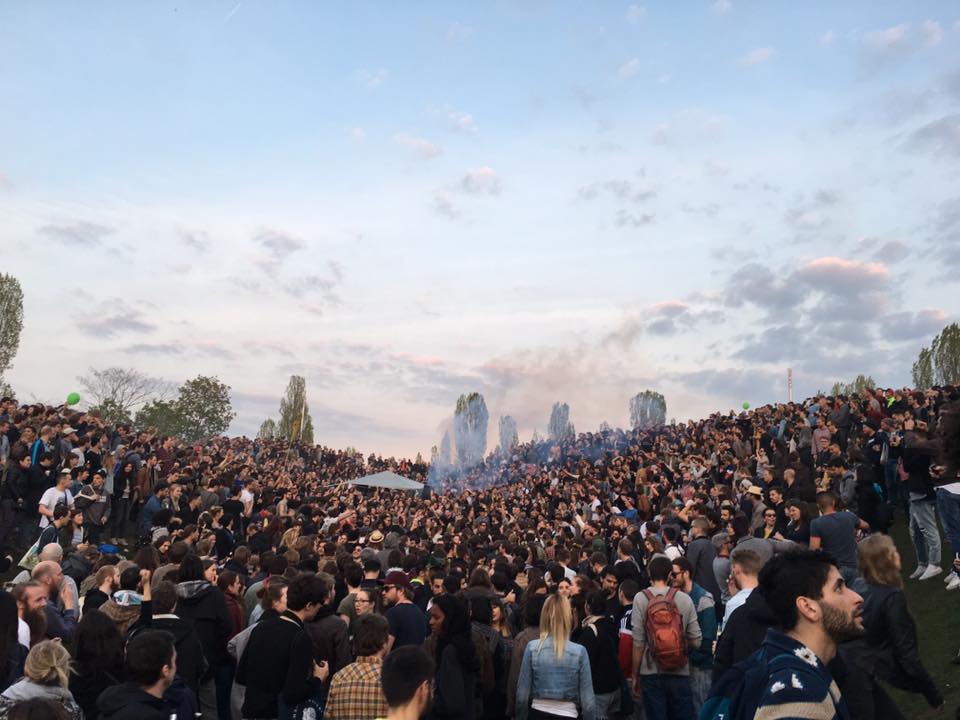
Only in Berlin could  you find so many shirts, shoes, trousers, and black hats. Alles schwarz. The first time my wardrobe went all black was ten years ago when I lived in London. The second time was during my projection art days in San Francisco. And from there it stuck until I moved to Berlin where each article has one specific cut, zipper, or pocket that gives it a special personality.

Have a careful look in the photo above. There are only a handful of people in this massive crowd wearing color. And this is the case when you look around on the streets. I guess the look is inspired by the industrial nature, the creative community, or the simplicity of a casual but effortless chic expression.

So I started playing a game with visitors to Berlin called: find someone wearing a color. If it was a drinking game, we would be sober.

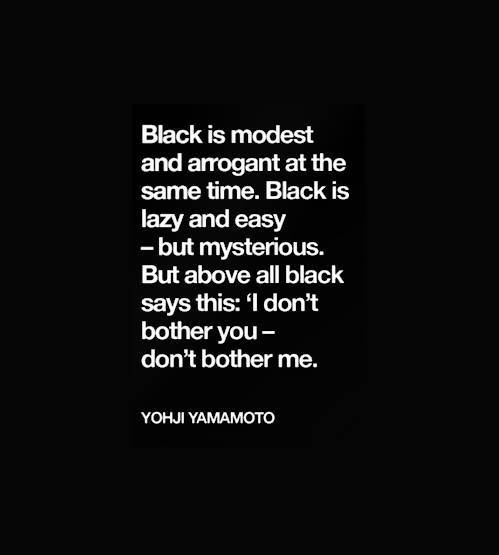
A few weeks ago I made a new friend who read me this quote:

black-is-modest-and-arrogant-at-the-same-time

Many would probably find this quote annoying or wrong. But ‘I don’t bother you – you don’t bother me’ fits Berlin quite well.

Categories
Berlin

Berlin’s machines

A photo posted by Nina Mehta (@ninamehta) on

First a WW2 Bunker 2, then a pre-Berghain club, now an art gallery


The hungry tech scene in Germany’s hipster capital is at odds with a data-mining culture.  In a predominately cash-based, privacy conscious, offline society: is there room for technology to thrive? It’s understandable for Germany to be sensitive to controlling surveillance systems.

“German concern for privacy rights, a powerful force in a country where folk memories of the Gestapo and Stasi are still strong, against the onward march of modern technology. ” No pixels, please, we’re German, The Economist

In my day-to-day activities I find my peers avoiding tech services that to me seem like the basics: paypal, online shopping, sharing your given name on Facebook. But many of the big Berlin startups seem like copies of existing American companies:

  • MyTaxi like Uber
  • Zalando like Amazon
  • Foodora like Postmates
  • Dawanda like Etsy
  • EyeEm like 500px

I can’t make much sense of making local copies of companies going global. I’m a bit confused how these digital services are will thrive and see great adoption with what seems like the current generations aversion to technology. Programmer turned fashion designed and cofounder of ElektroCouture, Lisa Lang, inspired me to think beyond digital services. She showed me one of her projects that included reprogramming old sewing machines with software, to produce remarkable new materials.

Of course then I realized, the answer isn’t software, it’s machines! I would love to see more innovators building software and digital systems into where Germans already excel: mechanical hardware. All the machines and old tools are not obsolete, they’re available for what Berlin has done better than anyone: renovation.

The 90s brought Berliners the belief of possibility. The wall came down and I hear again and again, “everything was possible then”. Before this whole spirit gets lost, instead of copying something American, Berlin should be Berlin. Then it was repurposing empty warehouses and vacant parking garages. Today it’s making something new with vacant machines. They can make something new, relevant, meaningful, and most importantly their own.

Categories
Berlin

Berlin’s 90s fashion

  • wide leg trousers
  • high-waisted denim
  • choker necklaces
  • sweatshirts tied around your waist
  • denim overalls
  • berry colored lipstick
  • platform sneakers
  • fanny packs
  • doc martins
  • flannel
  • 1-piece unitard anything
  • bald women
  • bangs
  • septum piercing
  • toe rings
  • half pony tail
  • leather jacket
  • ripped 20-denier tights
  • keith haring
  • wide brim hats
  • side boob muscle tanks
  • torn jeans
  • anklets
  • xxxxxxl  bomber jackets
  • women baseball hats
  • beanies
  • mini backpacks
  • halter crop top
  • using the term “lipstick lesbian”
  • bodycon everything

still waiting on

  • hair crimping
  • scrunchies
  • acid washed jeans
  • clogs
  • cargo pants
  • drawstring maxi skirts (update: found!)
  • babydoll dresses
Categories
Berlin

Berlin’s Racism

This is hard to talk about, but I expected Berlin to be more progressive and less racist.

Before I came here, I was told things have come a long way since World War II. And they probably have, but I expected more. I find daily subtle insensitivity  towards East Berliners, West Berliners, Eastern Europeans, Spanish, Mexicans, Blacks and Chinese** people. This kind of thing is hard to pick up if you’re on a short holiday or mostly interacting with expats.

In discussions with friends, when I hear culturally insensitive language I try to pause the conversation to discuss. In many of these experiences I find people laugh it off or suggest it’s not a serious problem. This is most concerning issue for me. And it’s true that Americans are hyper-sensitive about these (and many) kinds of things, so there’s room to meet in the middle.

We too from the United States too have a dark history of genocide, slavery, and ongoing racism against newcomers. However, as a nation of immigrants we are getting better at accepting different perspectives and sensitivity around language, especially people in cities. The difference is that in North American cities, when someone acknowledges there’s insensitive language in the room the offender usually acknowledges, apologizes and works not to make the mistake again. Whereas here, I find the issue is often ignored, diminished, or dismissed completely.

Ghosting from a party is only hurtful to ghosts

In Berlin it’s fairly rude when I don’t greet and bid farewell to every individual in the group. Apologies for everyone I didn’t greet with a hug upon arrival and for all the times I left without discussion. I’m really working on it, but it takes time to change behavior.

What I’ve learned so far is that around the world, sometimes people leave parties without saying goodbye and it’s understood to be rude. But when you quietly slip away from a party, what is that called?

I’ve had what feels like hundreds of conversations about this topic. Except for ghosting, some person from one group is implying something derogatory and untrue about another group. But nearly every time I suggest this is hurtful language for Irish, Polish, English, Swedish, or Chinese people I usually don’t see the “am I bring racist?” light turn on. This is really difficult for me as a non-white minority in a place with a recent history of genocide against people who are different.

Traveling in Europe

The ghosting story is to only illustrate the subtleties of the greater issue. It’s not true about all people in Germany and not even most of my friends. But it’s true about enough people I’ve talked to that I need to say something. My friends and colleagues still recommend I be careful about which neighborhoods I visit in Berlin and to consider traveling to Eastern Europe with someone white.  I’m sure many of you will tell me I would be fine on my own, and I’m sure I would. But we’re still living in a world where it’s something I have to consider, and thankfully friends here are helping me understand.

I lived this experience for living nearly a decade of my life. I lived thirty minutes Martinsville, Indiana: a major hub for Ku Klux Klan white supremacy terrorist group. You just learn where to stop, when to keep driving, and how to tell if someone is not comfortable with who you are. It’s not ok, but it’s the precautions you take in small-town America.

I didn’t expect to have these kinds of feelings and conversations in a rich, diverse, contemporary, supposedly open-minded city like Berlin. I thought a continent with so many countries, borders, thriving cities, and rich education would help further open my mind,  not the opposite.

I’m disappointed in my Berlin experiences so far. I have a diversity of friends and colleagues with different backgrounds, perspectives, and experiences, so let’s consider this a halfway point, not a synthesis of my understanding. I want to keep this conversation going and hope my opinion about racism in Berlin changes over time.

*I struggle to write the term American Indian as the people living there first were neither American, nor Indian, and I identify with being both. But several source say this is the right term to use. 

** I think Chinese might be a catch all term for anyone from East or South East Asia.

Categories
Berlin

Berlin’s Sundays

2016-05-11 21.36.54

It’s hard to argue against a day of rest. We need to recharge and slow down.

Stores, business, and shops are closed on Sundays, originally for religious reasons. This has truly been the hardest lifestyle change. I so desperately want to use Saturday sleep in, do yoga, have a long breakfast and meet some friends after working all week. Unless I do my shopping tasks Monday-Friday I’m stuck. In fact, I prefer to do it on Sunday so I can focus on the week ahead. As a result I either eat more takeout than preferred or tax all my energy on Saturdays dealing with crowds also needing to shop.

What’s interesting is I’m sure the Sunday rest day has also fueled the party culture in Berlin. Clubs stay open from Friday until Tuesday and Sunday is the day for locals. I truly believe the strong intent to stop productivity on Sundays in this music city keeps the party going longer than it would otherwise.

I’m surprised how much this one rule has caused me trouble. Less cooking, less manicures, an inconsistent exercise schedule, less friends over for weekend brunches and weeknight meals, and overall higher stress. I love Berlin but the Blue Law is very hard for this American consumerist.

Categories
Berlin

Berlin’s cold-war brainwashed americans

Living in Berlin reminds me of how much anti-russian brainwashing I watched as a child. I grew up knowing the Russians were the bad guy and always inferior. I’m starting to have relationships where I can understand what life and propaganda was like on the other side. Rewatching old American really makes you question the media’s control on the “free” world.

The Red Slime episode

In the MTV Nickelodeon hit series You Can’t Do that on Television, using the word “Free” was a trigger phrase for red slime after the studio was taken over by Russian Communists in the 1986 episode “Enemies & Paranoia”. Watch from 11:50-13:03 if you don’t believe me! Keep watching for the amazing oreo and slip n slide commercials.


Natasha and Boris

In this minisode of Rocky and Bullwinkle, an 80s children’s cartoon, evil spies Boris and Natasha have to swim home after a message control. Natasha suggests buying a a boat ticket and Boris questions her national pride and insists they should steal the boat tickets. How about that for propaganda!

Categories
Design

Advocating to the business for your designers

1-wNJ8iQHqS1z6oxNE7y1UxQ (1)

A design leader lives in two worlds: product design and the business. It’s your job to mediate when the needs of designers and the needs of the business compete.

Designers want to make great products

These people are probably why you became a manager. You love design, you work with great designers, and you want to use your experiences to help grow their skills and careers. Designing great products can turn into more repeat and new customers: a happy business.

Continue reading on Medium: https://medium.com/the-ligature/advocating-to-the-business-for-your-designers-c3f9f2986893#.575ry4xjh

Categories
Design

Design is a team sport: let’s not play alone

Designers at Pivotal Labs have two jobs:

  1. design great products
  2. enable clients to design great products

Yes of course a designer’s work includes user goals, business goals, team collaboration etc, but at the core this is how I see it. And if our team ourselves are struggling, burn out, or don’t deepen their craft doing #1,  then #2 can’t happen.

Designing great products (1) and enabling clients to design great products (2) regularly leads to repeat and extended client engagements. Similarly pivot design pairing leads to pivot happiness which improves retention and reduces recruiting, hiring, and HR costs. We need more pivot design pairing.

2016-04-09 16.05.02

Pivot Pairing

Design and programmers work are both generative and exploratory work. To that end, design the work benefits from pairing for the same reasons it benefits pair programmers: diversity of ideas, driver and navigator, collective ownership, increased discipline, fewer interruptions/working in flow etc.

It’s important for these individuals to have contexts to deepen their craft, which often comes with pairing. Senior designers are more likely to get paired with clients or junior designer since they are likely the best mentors from a technical perspective. Learning at work falls by the wayside when their pairs are not practitioners, but someone who got put into a practitioner role and work time is constrained to 40 hours. In short: designers also need to geek out at work.
Client pairing
We get some of these benefits when pairing with a client. But pairing with a client is doing extra mental consulting gymnastics to achieve #2, leaving less energy #1. Programmers often see relief when they rotate pairs the next day. Designers rotate pairs after a few months, and often go onto another client designer.

Having one designer on a project, or one pivot and one client designer requires that Pivot individual to be an off the charts unicorn with remarkable humility. Why? Because we have three streams of work: research, interaction, and visual plus collaboration with development. Two people makes it possible to distribute the mental and sometimes tactical effort.

Enabling clients is hard because we are defending our work, teaching our process, and designing complex systems all at the same time.We have to start our client mentorship from a strong place so we can help our client designers. A lot goes on the shoulders of one person for the intensity of the work we do. Design is a team sport, not facilitating lots of non-designers.

Sales, Scoping, Hiring, and Staffing

Having more designers in an office would likely change the staffing needs all the way from a sales and scoping perspective. When we have too many engineers on the beach we start research and software development at the same time.  Doing this slows the entire success of a project down anyway, ultimately hurting the success of a project whether it’s measured by client enablement or execution of product. Doing this once and a while is understandable but this solution on repeat burns designers out. The team needs time to think about a problem and approach a solution before it can be built.

Schedule and staffing is an art not a science. If only a few Pivots have experience with the design process, the designers ends up leading a hungry-to-learn team will want to be involved with everything. That gets celebrated as “balanced team”. It’s possible the newcomers to design will want to see all the activities, inflating the process and ultimately unbalancing the project and hurting client success, a good name in the community, and future projects. When pivots are paired more often they can be better consultants when they are paired with client designer. Pairing pivot designers invests in project success by investing in individuals first. I’ve seen this approach regularly lead to repeat client engagements or project extensions.

Hire more designers

The hiring, sales, and staffing plans should start from two pivot designers pairing and deviate for individual circumstances. This will increase the quality of products, projects, pivot happiness, client happiness, transformation success, which ultimately benefits the business goals.