Bauhaus design school teacher Johannes Itten said:
“The way we breath is the way we think.”
He believed breathing quietly, slowly, and deeply is the foundation of creative energy. In fact in his classroom, courses began with simple breathing and physical exercises to help students find a rhythm, the foundation of their creative energy.
In plain english, designers need to be deeply connected to themselves before they can create anything meaningful for someone else. It makes sense that they started by looking inward.
The early 20th century Bauhaus art school and design movement is so hard to describe because it doesn’t have a specific look or style, but only unified philosophies. And though it was born of the industrial revolution in Germany, Bauhaus designers celebrated designing well made products to last forever. The impact on the future was much more relevant than profit margins. So of course, designers had to be intimately in touch with themselves and nature to create from this perspective.
But nearly 100 years later and slow, deep, quiet, inward looking practice is even more relevant for designers because:
Software products are deeply connected to the consumer’s psychological experience
The creators of technology can have a scary amount of impact on the intimacy of someone’s life. How people eat, sleep, live, date, work, and so on is directly related to technology. Ten years ago laying in bed with a computer would sound wildly robotic. And now many find it harder to quit their cellphones than cigarettes. To deeply connect with the physiological and psychological experience of our customers, we first must be connected to ourselves. We start by looking inward and taking the impact of our work seriously.
Designers have never been asked to or been able to mass produce at such a fast rate
Before software, product designers would sketch and prototype with wood, steel, plastic, fabrics and other physical materials. Eventually their work would be produced in a factory and then ship to stores for display and sales. This is why we had a waterfall process for so long.The time from ideation to manifestation took months if not years.
Intangible, non-physical, software design made it possible for agile development and lean design processes. We learn as we go and make changes inspired by what we learn. We can move faster than ever before, but that’s getting mistaken for better. When we move too fast, we end up too closely connected to the “scurrying rat-race of everyday life” and further from a deep, quiet, inward looking process.
Slow Lean Design
Many celebrate lean and agile because it’s so much faster than waterfall. But our challenge ahead is a lean and agile process where designers can think deeply about their work without shipping the first idea that’s good enough. In the beginning of a lean process, we want to validate ideas and ship as fast as possible to learn quickly. But product teams need to create time for the right expression of a validated idea. For example: now we’ve validated people want to taxis on demand, let’s make time to create the best way to order a taxi on demand. That second half is the expression of the idea.
Some parts of that expression will come from user research and quantitative data. But there is no objective design. No mater how user centered, the work a designer creates will in some part be an expression of who they are.
Author Jeff Sussna wrote about mindfulness and design. In summary, he challenges designers to think beyond improving a product but to create products or services free of distractions so customers can be completely focused on their task at hand. He has an excellent example about laundry services. e.g. I don’t necessarily need laundry to go away or to be faster. I may need a way to make laundry a preferred activity.
Slow Berlin
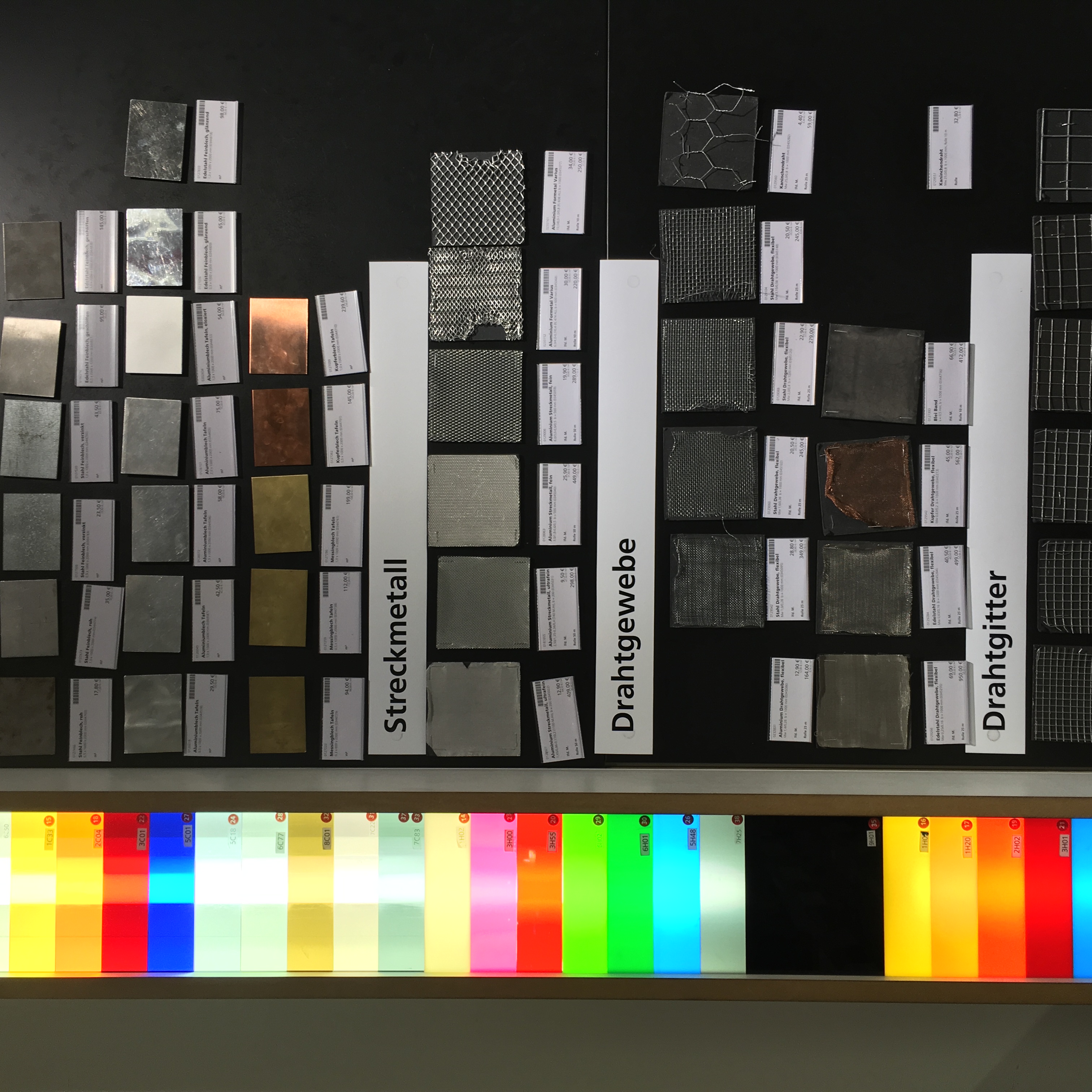
Let’s bringing this back to my Berlin experience. My work weeks move really fast. Too fast. I used this long weekend to stay in the city and find some stillness. I visited the Bauhaus Archiv and thought a lot about their teaching process. They start from perfecting their craft rather than production. Students in the beginning simply play and explore materials. I thought about this while walking in the rain through Tiergarten and the next day went on an artist date to the Modulor art store. I touched all the felt, plastic, metals, papers and markers. I’d tell you more about it but I need to go play with my new paint brushes and chalk.
Have a deep breath!
If you also believe design and software have a relationship to nature, you might like my minimalist technology posters.