After the wall came down, Berlin became a place for experiments. New expressions of electronic music emerged. I first visited Berlin in 2007 and was promptly rejected from Berghain. The club was still coming up and I’m impressed we even knew to try going there. I was getting rejected from Berghain before it was cool to get rejected from Berghain. People love to discuss it, defend it, throw shade. Here are my thoughts.
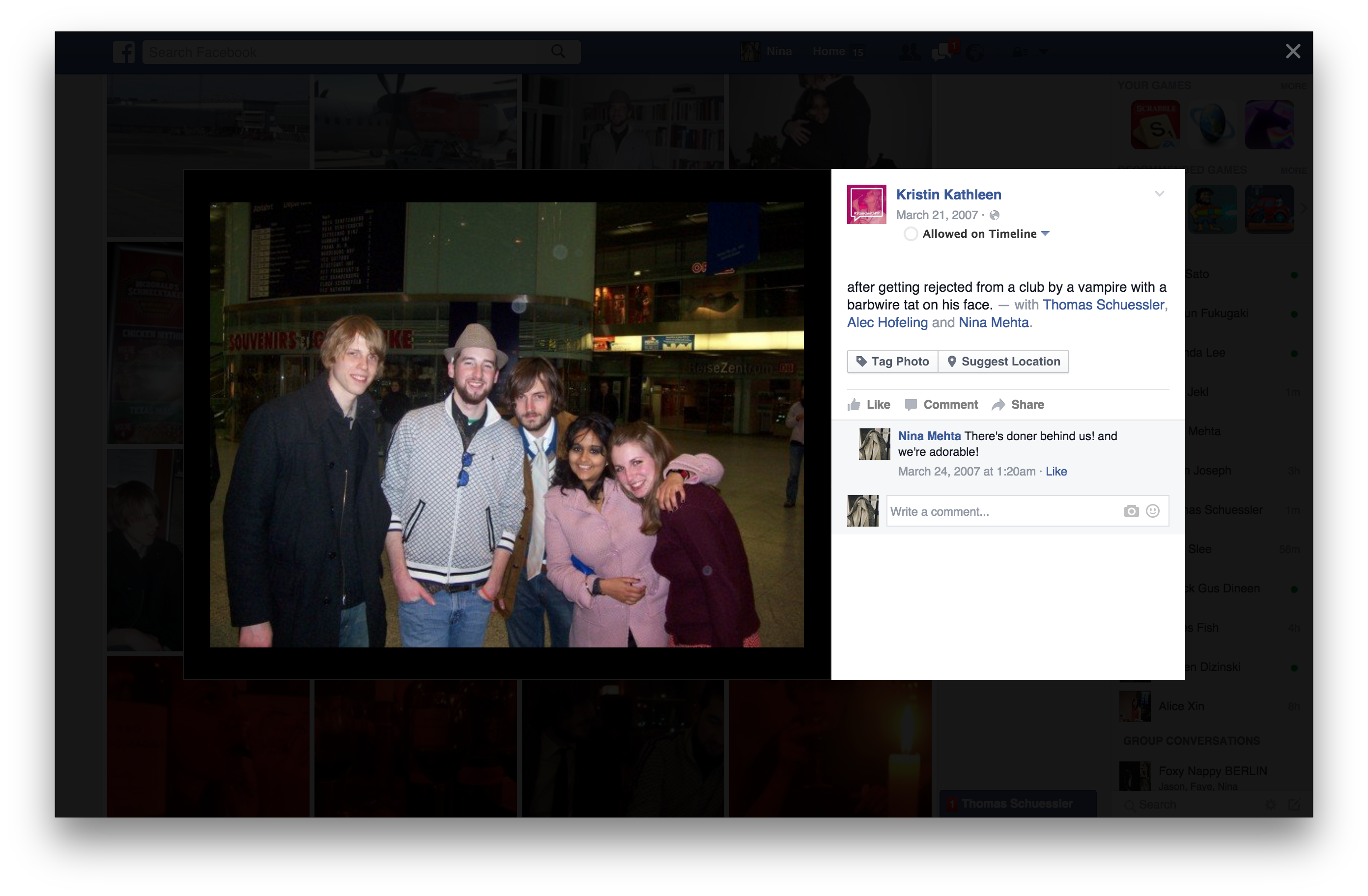
I don’t really mind. We were drunk american kids on study abroad looking for party. And we heard this place was cool. I like to believe the “vampire with a barbwire tat on his face” is my big techno mamma. He was protecting little me from something I was perhaps were not ready for.
Dance music found its first home in Detroit and Chicago in the late eighties. It came up from gay disco. And for most of techno’s life, it lived in the underground where everyone was welcome and the front door was always open. The world was different then for someone gay or black in America. This music, this art, created a home for the people on the cultural outside and for a long time stayed that way.
I grew up outside Chicago in the 90s listening to C&C Music Factory at the roller rink during birthday parties. I think this primed me in some ways. Later I really got into dance music because of Napster.
After graduate school I moved to San Francisco and found the music scene that welcomed anyone, especially those on the outside who wanted to experiment, try something new, and believed everything was possible. The music is so good. It was, it is, really good. Sounds like Berlin. No?
Dance music in North America recently found its place the mainstream. Festivals replaced concerts, and it’s finally ok, nay, even cool, to listen to music made from a computer. So now lots of drunk college kids on study abroad want to go to Berghain because Claire Danes said to.
At some clubs in Berlin, security ask who I’ve come to hear. They’re checking if I’ll be good guest. But then everyone is all of a sudden everyone is not welcome and getting in becomes about knowing something of having some cool factor.
However once I’m inside, it means I’m dancing with people who also are there to enjoy the music. So the door has filtered out some people drunk, crass people and the club environment is actually enjoyable. Leaving the front door open works until everyone can’t come in.
When it comes to clubs in Berlin (and immigration for that matter) is everyone is equal? Or are some are more equal than others?
That night almost at Berghain in 2007 ended happily with doner kebab in hand and a nice reminder: it’s about who you’re with, not where you are. And it sure does help if the music is good.
Follow the Berlin tag for similar posts.